27/09/19
This was the first talk of a handful of “Life and Environment” seminars I’d attend over the coming weeks as part of my “science and employability” module.
Richard Holland was presenting the week’s talk and is a lecturer who’s taught in some of my modules previously, including my “advances in animal behaviour” module this year.
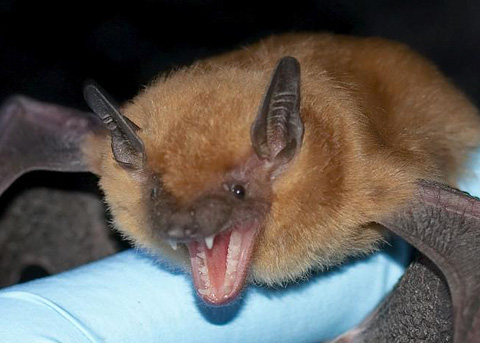
The talk was about orientation and navigation in bats.

Long distance mammal navigation is largely unknown, and bats provide a good starting point as their size makes them easy to study. They could also be a good comparative model for migratory songbirds and homing pigeons.
Birds use the inclination of the magnetic field, and its only when you change the inclination of the magnetic field can you change the orientation of them.
Would this be the same for bats?
Mole rats were used as a test subject first. It was found that they built their nests in relation to magnetic field polarity not inclination.
Dr.Hollands study was carried out by first manipulating the magnetic field of some captured bats before and after sunset and then releasing them. It showed that by changing their magnetic field it affected their ability to make it make to their nests.
Inclination didn’t affect the bats like it does with birds, only polarity seems to be of importance.
He then went on to look into the effects of sun disks and polarised light. Showing that’s is possible they use both methods for recalibrating their magnetic field.
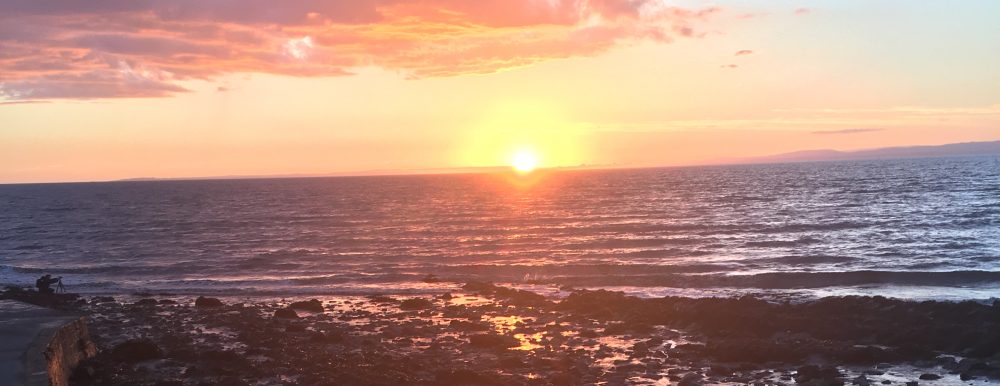
Richard Hollands studies concluded that bats magnetic compass is calibrated by the sunset, although unsure whether its polarised light or sun disk.
Bats also use a magnetic particle mechanism that they use to detect the earths magnetic field but an open question to this is, where is it?
This talk did leave a few open-ended questions that sparked up some interest for further research.
Whilst I did find the ideas intriguing (and bats themselves) I’m not sure whether the concepts behind the research is something I particularly want to focus on.
Here are the links to Richard Hollands papers that we discussed during the talk:
https://www.nature.com/articles/444702a
https://www.pnas.org/content/107/15/6941.short
https://www.nature.com/articles/ncomms5488
https://royalsocietypublishing.org/doi/full/10.1098/rsbl.2015.0525
https://zslpublications.onlinelibrary.wiley.com/doi/abs/10.1111/jzo.12654

 Life of El